
BUILDING A HOME ON PAPER
“It’s not about having the right opportunities. It’s about handling the opportunities right.” – Mark Hunter
“It’s not about having the right opportunities. It’s about handling the opportunities right.” – Mark Hunter
Being able to determine a customer’s estimated total purchase price is the key to selling the segment of buyers that want to know their “all-in” number. Getting this buyer to purchase a home prior to doing this is very difficult. That is why it is so important to be familiar with the option program and how to sell them. The idea is to help the customer get comfortable with the options they want in their home within their budget. Try not to review every option available, ask the customer what they are looking for and find those options. This process is not intended to replace the color selection process. It is an exercise to give the buyer the confidence to purchase knowing they can build the home they want.
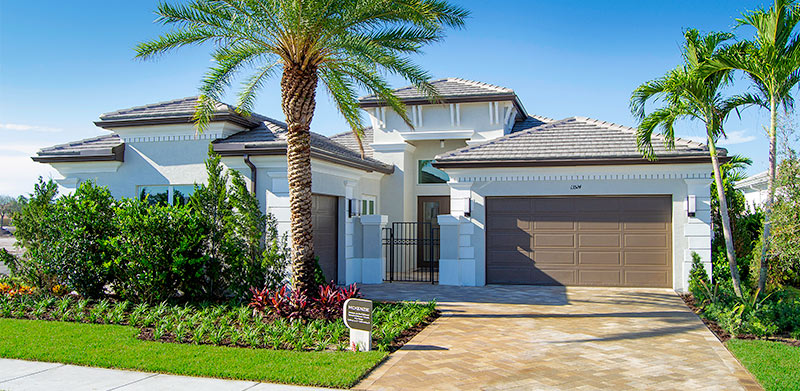
The easiest way to start the option conversation is in a spec home. Most spec homes are designed with commonly selected options at an average option cost. In the spec home you can gauge what they like and what they would want to change. After the customer views the spec home, you will bring the customer to the design center to start the process of building their home on paper. Before you start, gather these tools below:
In the “Toolbox” section of this workbook there is a sample template to use while building a home on paper. You can add categories or eliminate them as needed for your customer and community. It is ok not to review every option. Focus on the big picture and large ticket items that will achieve the customers goal and budget. Prove to the customer they can get what they want in their new home.
Note: when building a home on paper, highlight the options in the catalogue and only write a summary and the total price in the worksheet.
This is a crucial step to take before the customer starts to select the features they like. Knowing what the customer’s budget is helps you identify what direction to take. Should you be showing level 5 cabinets or selling them level 3 cabinets or should you be showing them standard flooring to make sure they have the budget for a pool? To put together a package that they like, and you know will fit within their budget, you need to guide the selections based on their budget.
Structural options can change the overall design and functionality of the home. They can also affect the ability to select certain options and are usually higher priced items. Each option has an exhibit that you can use to help explain the option. Often, these features are shown in model homes or in completed homes in the community. Showing the features to the buyer in person helps them identify how the option will look.
Kitchens are consistently the most challenging part of the home to review. This is due to the complexity of the layouts and vast amount of options offered. This poses a unique challenge to not only help deliver a kitchen the buyer desires, but one that falls within a budget to move the sale forward. The Kitchen represents one of the most expensive and important areas to the overall design of the home. Start this section by determining what kitchen design the customer is looking for and work off that design. Remember to guide them to a kitchen design that would fit within their budget.
Flooring falls close to the top of most customers’ priority list. Using the flooring price matrix and the floor zone exhibit, you can quickly review the floor options and lead customers toward certain product lines. Based on the budget that you determined in step 1, you should have a good idea of products to offer that will help keep the customer within budget. In this step, remember that the flooring selections could affect bath wall tile. Have a plan in mind to how you will correlate the floor selections to the bath selections.
For this exercise, bathrooms can be broken into 2 sections: master bathroom and guest baths. The master bathroom is where you will spend most of your time. Have the customer review the options and select the elements that will make up their dream bath. The guest baths can often be duplicated to quickly come up with a “ballpark number” using similar cabinets, countertops, and tiles. This will reduce the time you spend discussing the baths. If the buyer is price sensitive, guest baths are often an area where some concessions are made to reduce the budget.
Electrical elements are selected using a similar process throughout your plan lineup. Start by using the standard electrical exhibit. The exhibit will show what comes in the standard package. Try and group the selections that the buyer is looking for and highlight on the plan. Use the guidance of what was selected in the spec home you toured; this will make it easy to demonstrate the options.
At this point, you should provide a summary of what you have achieved so far. Make sure you highlight each item that they will be getting in the package you are putting together. This is a powerful tool and confirmation for the buyer. Then ask is there anything else they would like to add. If the buyer was looking to include a pool in their overall number, this is the time that you will add in the ballpark number you budgeted.
Once you have completed the worksheet and you have included all the options on their wish list, then you can go for the close. Here’s a short checklist to keep in mind:
Ask for the sale, once they’ve selected their options they have already envisioned themselves in the home.
If they say they are not ready, ask them why. Handle the objection and ask for the sale again. You now have the ammunition to push for the sale.